
/2019/01/Alan-White.png)
/2015/03/GettyImages-665960406.jpg)
/2010/12/Jon-Anderson.jpg)
/2016/09/Rick-Wakeman-1.jpg)
/2018/03/Bill-Bruford.png)
/2015/06/Chris-Squire1.jpg)
:strip_exif()/2015/09/GettyImages-476575299.jpg)
/2009/11/George-Clooney.jpg)
/2009/09/Cristiano-Ronaldo.jpg)
/2020/01/lopez3.jpg)
/2020/02/Angelina-Jolie.png)
/2020/04/Megan-Fox.jpg)
/2009/09/Brad-Pitt.jpg)
:strip_exif()/2009/09/P-Diddy.jpg)
/2018/03/GettyImages-821622848.jpg)
/2019/11/GettyImages-1094653148.jpg)
/2019/10/denzel-washington-1.jpg)
What was Alan White's net worth?
Alan White was an English drummer and songwriter who had a net worth of $10 million at the time of his death.
Alan White's career placed him at the rhythmic core of some of progressive rock's most ambitious and enduring music. Best known as the longtime drummer of "Yes," White joined the band at a pivotal moment in its rise and went on to become a stabilizing force through decades of lineup changes, stylistic shifts, and global touring. His playing combined power, precision, and restraint, favoring musicality and feel over showmanship. That approach allowed him to anchor complex arrangements while giving space to melody and harmony, qualities that made him an ideal fit for Yes's expansive sound.
Before his tenure with Yes, White built an impressive résumé as a session and touring drummer, working with major artists across rock and pop. His adaptability and professionalism made him one of the most in-demand drummers of his generation. With Yes, he contributed to a long run of influential albums and helped sustain the band's legacy well into the modern era. Over more than five decades, White earned a reputation as a musician's musician, respected for his consistency, taste, and unwavering commitment to the music.
Early Life
Alan Victor White was born on June 14, 1949, in Pelton, County Durham, England. He began playing drums at a young age and was largely self-taught, developing his technique by listening to jazz, rock, and rhythm and blues records. White turned professional while still a teenager, performing in local bands and quickly gaining attention for his timing and versatility.
By his late teens, he had moved into session work, a demanding environment that sharpened his ability to adapt quickly to different musical styles and artists.
Early Career and Session Work
Before joining Yes, White worked with a number of prominent musicians. He recorded and toured with John Lennon and Yoko Ono, appearing on albums such as "Imagine." He also collaborated with George Harrison and played on projects involving Joe Cocker and other major figures of the era.
This period established White as a reliable and highly skilled drummer capable of supporting strong personalities and complex studio productions. His experience in both live and studio settings prepared him for the challenges of progressive rock's extended compositions and shifting time signatures.
Joining Yes
In 1972, White was invited to join Yes under extraordinary circumstances. He was asked to replace founding drummer Bill Bruford just days before the band was scheduled to begin a major tour. White learned the band's material at remarkable speed and made his live debut with Yes almost immediately.
He joined a lineup that included vocalist Jon Anderson, bassist Chris Squire, guitarist Steve Howe, and keyboardist Rick Wakeman. His arrival coincided with the band's creative peak, and his steady, powerful drumming brought a new sense of drive and solidity to their sound.
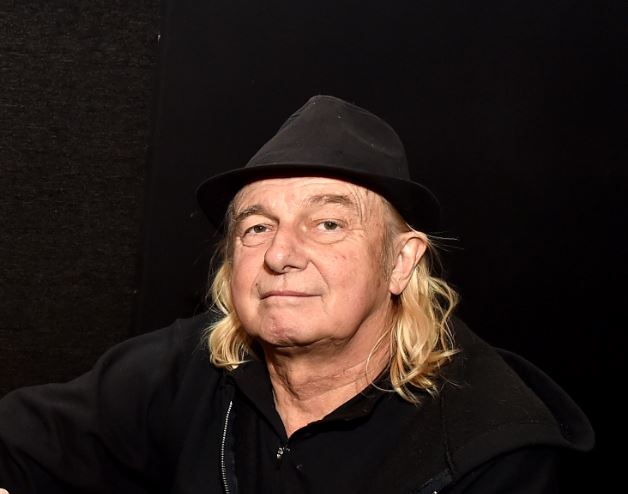
Getty
Classic Yes Era
White made his studio debut with Yes on the album "Tales from Topographic Oceans," followed by key contributions to "Relayer," "Going for the One," and "Tormato." His playing emphasized groove and momentum, grounding the band's elaborate compositions in a strong rhythmic foundation.
On tracks such as "Sound Chaser" and "Awaken," White demonstrated an ability to balance technical demands with musical flow. As Yes evolved, he remained a constant presence, helping the band navigate changes in personnel and musical direction while maintaining its core identity.
Later Years with Yes
Through the 1980s, 1990s, and 2000s, White continued to tour and record with Yes, contributing to albums across multiple eras. He adapted seamlessly to shifts toward more streamlined songwriting as well as returns to longer, more progressive forms.
Even as health issues limited his ability to perform in later years, White remained closely connected to the band and its legacy. His role extended beyond drumming, serving as a unifying presence within a group known for frequent change.
Musical Style
Alan White's drumming style was defined by clarity, control, and musical intelligence. Rather than dominating the mix, he focused on supporting the composition, using dynamics and phrasing to enhance emotional impact. His background in pop and rock gave him a strong sense of groove, while his work with Yes required mastery of complex structures and time signatures.
This balance made White an ideal progressive rock drummer and influenced countless musicians who followed.
Illness and Legacy
Alan White died on May 26, 2022, at the age of 72, following a period of illness. His passing marked the loss of one of progressive rock's most dependable and understated figures.
White's legacy lives on through decades of recordings with Yes and through the respect he earned from fellow musicians. As the rhythmic backbone of one of rock's most ambitious bands, he played a crucial role in shaping a catalog that continues to inspire listeners and artists around the world.
/2019/01/Alan-White.png)
/2015/06/Chris-Squire1.jpg)
/2015/03/GettyImages-665960406.jpg)
/2010/12/Jon-Anderson.jpg)
/2016/09/Rick-Wakeman-1.jpg)
/2018/03/Bill-Bruford.png)
/2016/11/John-Wetton.jpg)
/2020/06/taylor.png)
/2019/04/rr.jpg)
/2017/02/GettyImages-528215436.jpg)