
/2015/05/Fetty-Wap-2.jpg)
/2018/02/skies.jpg)
/2020/01/ja-rule.jpg)
/2019/10/tekashi.jpg)
/2015/11/Lil-Dicky.jpg)
/2015/07/Rich-Homie-Quan.jpg)
/2017/02/GettyImages-528215436.jpg)
/2020/04/Megan-Fox.jpg)
/2009/09/Brad-Pitt.jpg)
/2009/11/George-Clooney.jpg)
/2018/03/GettyImages-821622848.jpg)
/2020/06/taylor.png)
/2019/10/denzel-washington-1.jpg)
/2009/09/Jennifer-Aniston.jpg)
/2020/02/Angelina-Jolie.png)
/2019/11/GettyImages-1094653148.jpg)
/2019/04/rr.jpg)
What Is Fetty Wap's Net Worth?
Fetty Wap is an American rapper and producer who has a net worth of $1 million. Fetty Wap rose to prominence in the mid-2010s as one of the most unexpected and distinctive breakout stars of his era. He exploded onto the mainstream in 2015 with the viral single "Trap Queen," a melodic, sing-song rap anthem that blended street narratives with pop accessibility. The song became a cultural phenomenon, peaking at No. 2 on the Billboard Hot 100, earning multiple Grammy nominations, and turning Fetty Wap into a household name almost overnight.
Unlike many overnight successes, Fetty Wap quickly followed up his debut hit with a remarkable run of charting singles. Songs like "679," "My Way," and "Again" all cracked the Top 10, making him one of the few artists in modern chart history to place multiple concurrent hits high on the Billboard charts as a new act. His self-titled debut album, "Fetty Wap," capitalized on that momentum, debuting at No. 1 on the Billboard 200 and cementing his place in mainstream hip-hop and pop culture.
Musically, Fetty Wap stood out for his melodic instincts, emotional openness, and unconventional vocal delivery. His sound blurred genre lines, pulling from trap, pop, and melodic rap at a moment when hip-hop was rapidly expanding its commercial boundaries. While his chart dominance faded after his initial surge, his influence remained visible in the wave of melody-driven rappers who followed.
Fetty Wap's later career was shaped as much by personal and legal struggles as by music, including a high-profile federal drug case that interrupted his momentum. Even so, his early run remains one of the most memorable breakout periods of the 2010s, anchored by a single song that became both a cultural touchstone and a defining hit of its decade.
Early Life
Fetty Wap was born Willie Junior Maxwell II on June 7, 1991, in Paterson, New Jersey. From birth, Maxwell struggled with glaucoma, an eye condition that can cause vision loss. As a result of this condition, the young boy lost his left eye at an early age. He wore a prosthetic eye throughout much of his youth, which made him the victim of teasing and ridicule at school. Because of this, Willie often got into fights, and at one point threw a desk at another student. He gradually became more comfortable in his own skin, and one day decided to embrace his disability by removing his prosthetic eye entirely.
Maxwell described growing up in Paterson as tough, highlighting the fact that everyone is trying to escape poverty and hardships.
Fetty Wap's first exposure to music came through church. Along with his father and brother, he would perform on Sundays at the church. He played the drums, and his involvement with music would continue into high school.
However, things took a turn for the worse during Maxwell's teenage years. After a few more fights, he decided to drop out of school. With no other options, the teen began dealing drugs, and he was soon homeless. He later explained that he slept at friends' houses for many years, stating, "I didn't even get to use no bed. I was lucky to have a carpet." Soon, Maxwell had a son to support, and circumstances weren't looking great.
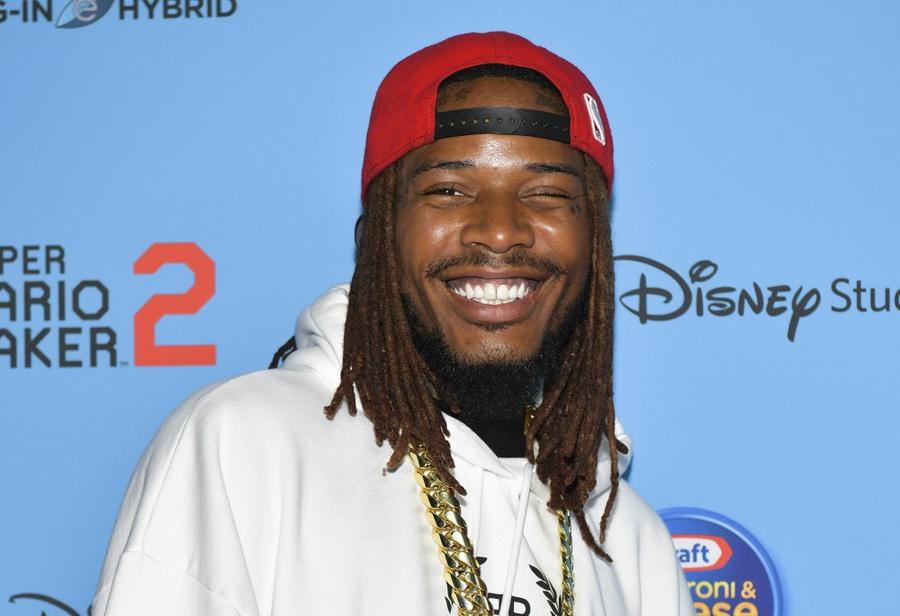
(Photo by Rodin Eckenroth/Getty Images)
Start of Rapping Career
Fetty Wap began rapping as a way to pull himself out of poverty. He and a friend called Monty started to experiment with various beats they found on a site called SoundClick. They recorded numerous demos, honing their rapping style and becoming more confident. Then one day, they discovered a rap beat that would eventually make Fetty Wap famous.
Fetty Wap's rap name is built off the word "Fetty," which is slang for "money and "Wap," which is an homage to Gucci Mane's moniker – GuWop.
Breakout With "Trap Queen"
The beat that would later form the foundation for "Trap Queen" was created by a Belarusian producer named Tony Fadd, who was completely unknown at the time. Fetty Wap showed a rough cut to an affiliate named Nitt Da Gritt, who ran an independent record label called RFG. Soon enough, it was time for Fetty Wap to record the track professionally in 2014. Not long after, the song was being played on the radio, and it proved to be an incredible hit.
The song reached platinum status and has over 130 million plays on SoundCloud and over 675 million plays on YouTube. The song is about a woman who cooks and sells crack cocaine, and it features the style of vocal delivery that would eventually make Fetty Wap a household name in the rap industry. Allegedly, he really did interact with the woman he describes in "Trap Queen" prior to his path to fame.
Fetty Wap's next success came with the release of the single "679." Although the single didn't perform as well as "Trap Queen," it nonetheless peaked at the fourth spot on the US Billboard Hot 100 chart. Fetty Wap has stated that he believes it's his best song. The song's title is a reference to the rapper's date of birth.
The release of Fetty Wap's next successful single, "My Way," came in July 2015. This time, the single peaked at #7 on the Billboard Hot 100. At this point, he was experiencing success on par with some of the most famous rappers of all time. Highlighting this was the fact that with the release of his third single, Fetty Wap had become the first male rapper to have three singles occupying the top 20 spots since Eminem had accomplished the feat two years prior. In addition, he became the first male rapper to have concurrent singles reach the top 10 spots since Lil Wayne had done so four years prior.
Fetty Wap's rise to fame was astounding. By 2015, he was a millionaire with several hit singles to his name. Just a few years prior to this, he was a homeless drug dealer.
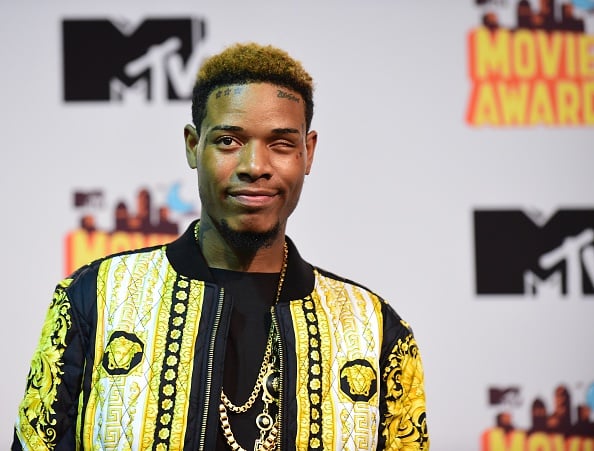
FREDERIC J. BROWN/AFP/Getty Images
Later Career
After his first three singles, Fetty Wap released his debut self-titled album in 2015. At the 58th Grammy Awards, he was nominated twice. The next stage of his career involved several collaborations with other musicians, including major names like Nicki Minaj, French Montana, and Fifth Harmony.
Musical Style
Fetty Wap combines singing with rapping. He has been compared to Future for his melodic style, while also sharing attributes with Drake when it comes to rapping. Fetty Wap has cited many artists as influences, but Gucci Mane probably had the most prominent impact on his musical development.
Investments and Projects
Fetty Wap has reportedly been able to multiply his fortune by investing in stocks, with help from his lawyers and accountants. He also released a successful mobile game that involves street racing. Ironically, Fetty Wap was arrested for drag racing a year later.
Legal Problems
In October 2021, Fetty Wap was arrested in New York City at Citi Field just before he was scheduled to perform at the Rolling Loud music festival. Federal authorities took him into custody as part of a sweeping narcotics investigation that ultimately charged six men with participating in a multi-state drug trafficking operation. Prosecutors alleged that the group used the rapper's fame, touring schedule, and network of associates to help move large quantities of controlled substances while laundering proceeds through cash and wire transfers.
According to federal court filings, the conspiracy was accused of distributing cocaine, heroin, fentanyl, and firearms across New Jersey, Long Island, and other parts of the Northeast. Investigators estimated that the operation generated roughly $1.5 million in illicit cash. Fetty Wap was initially released on bond but was later remanded to custody after prosecutors argued he posed a flight risk and had made threats during pretrial proceedings.
In August 2022, Fetty Wap pleaded guilty to one count of conspiracy to distribute and possess controlled substances, specifically involving 500 grams or more of cocaine. By entering the plea, he accepted responsibility for his role in the operation and avoided a trial that could have exposed him to an even longer sentence. The charge carried a mandatory minimum prison term of five years under federal sentencing guidelines.
On May 24, 2023, Fetty Wap was sentenced to six years in federal prison, followed by five years of supervised release. During the sentencing hearing, he apologized to the court and to communities affected by drug abuse, stating that his actions were driven by financial pressure and poor judgment rather than malice. The conviction effectively halted his music career for several years and marked a dramatic fall for an artist whose rise to fame had been both rapid and lucrative.
/2015/05/Fetty-Wap-2.jpg)
/2015/07/Rich-Homie-Quan.jpg)
/2015/07/Fetty-Wap.jpg)
/2015/10/Fetty-Wap.jpg)
/2016/10/GettyImages-469525606.jpg)
/2020/01/ja-rule.jpg)
/2020/01/young-thug.jpg)
/2009/11/Gucci-Mane.jpg)
/2009/09/Cristiano-Ronaldo.jpg)
:strip_exif()/2015/09/GettyImages-476575299.jpg)