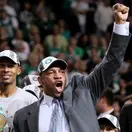











What Was Junior Bridgeman's Net Worth and Salary?
Junior Bridgeman was an American former professional basketball player and businessman who had a net worth of $1.5 billion at the time of his death in March 2025.
That's the same as $1.58 billion in today's dollars after adjusting for inflation.
Junior Bridgeman built one of the largest fortunes ever accumulated by a retired NBA player, but almost none of it came from basketball. During his 12-year playing career, he earned less than $3 million in salary and never made more than $350,000 in a season. He used his earnings and an early investment in a cable company to launch a restaurant business that eventually controlled more than 500 franchises, generating approximately $500 million in annual revenue. After selling most of those restaurants for an estimated $250 million in 2016, he acquired a Coca-Cola bottling operation that grew into a business valued at nearly $1 billion. His other holdings included a minority interest in Coca-Cola's Canadian bottling business, the historic magazines "Ebony" and "Jet," and a share of Kentucky's Valhalla Golf Club. In September 2024, Bridgeman came full circle by purchasing a 10% stake in the Milwaukee Bucks, the team where he had spent most of his NBA career. He died in March 2025 at age 71, leaving a family-controlled business empire spanning beverages, restaurants, publishing, and professional sports.
NBA Salary and His First Big Investment
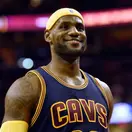
Bridgeman earned approximately $2.95 million in total NBA salary between 1975 and 1987. His highest annual salary was $350,000, paid while he played for the Los Angeles Clippers. Those figures were substantial for the period but a fraction of what today's NBA stars earn. Unlike Michael Jordan or LeBron James, Bridgeman did not have a global endorsement empire or a blockbuster shoe contract to finance his retirement.
Instead, he learned about business from Milwaukee Bucks owner Jim Fitzgerald, who encouraged him to invest in a small cable television company. Bridgeman committed approximately $150,000 over five years. When Fitzgerald later sold the company, Bridgeman received about $700,000. That windfall was larger than several years of his basketball pay and supplied capital for his next venture: fast-food restaurants.

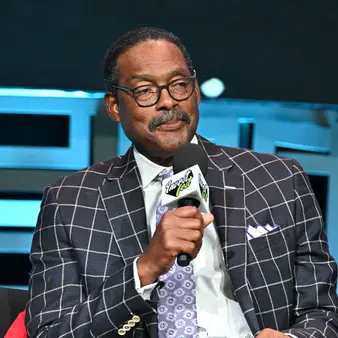
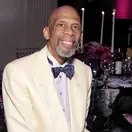
(Photo by Paras Griffin/Getty Images)
Wendy's Franchises and a $250 Million Exit
Bridgeman began investing in Wendy's franchises near the end of his playing career. In 1987, he and former NBA player Paul Silas put roughly $100,000 into a restaurant in Brooklyn. They struggled to make it profitable, and a fire devastated the location. Silas withdrew, but Bridgeman stayed in the business. He entered Wendy's training program and personally worked as a cashier, cook, and drive-thru attendant so he could understand the economics of running a restaurant.
After rebuilding and selling the Brooklyn restaurant, Bridgeman was offered five underperforming Wendy's locations near Milwaukee for $150,000 each. Only one of the stores was generating roughly $800,000 in annual sales; the others were struggling. He improved their operations, promoted them locally, and focused heavily on hiring and retaining managers. The turnaround became the template for his expansion.
Through companies including Bridgeman Foods and Manna, the family grew its operation to approximately 520 restaurants at its peak, with locations under the Wendy's, Chili's, Pizza Hut, and other brands. The group employed more than 11,000 people, and its annual revenue reached approximately $500 million. By 2016, Bridgeman was among the country's largest restaurant franchise operators, with roughly 240 Wendy's and 120-plus Chili's locations alone.
In 2016, he sold most of his restaurant interests for an estimated $250 million to pursue a different industry. However, it was not a complete exit. A 2025 assessment of the family's holdings identified continuing controlling interests in approximately 160 Wendy's franchises and 70 Fazoli's restaurants. Those businesses, including associated real estate, were valued at approximately $100 million combined. His son Ryan took over leadership of the family's restaurant operations.

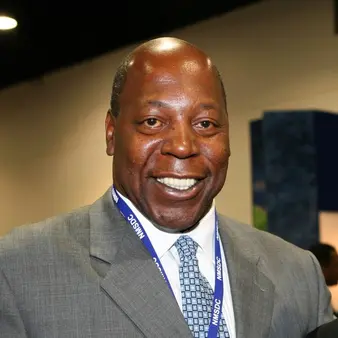
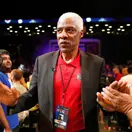
(Photo by Focus on Sport/Getty Images)
Heartland Coca-Cola: A Billion-Dollar Business
Bridgeman's biggest business venture began in 2016, when he signed an agreement to acquire Coca-Cola bottling and distribution territories in the Midwest. The transaction, valued in business reporting at approximately $290 million, created Heartland Coca-Cola Bottling Company, which began operating in 2017. The purchase gave his business the right to produce, distribute, and sell Coca-Cola products across Kansas, Missouri, southern and central Illinois, and parts of Iowa and Nebraska.
The timing coincided with Coca-Cola's effort to move bottling and distribution territories into the hands of independent operators. Bridgeman applied the operating methods he had developed running hundreds of restaurants to a much larger manufacturing and distribution business. Heartland grew to more than 2,400 employees and nearly $1 billion in annual revenue by 2023. In February 2025, Heartland was valued at nearly $1 billion after debt and reported that Bridgeman owned 100% of the company.
In 2018, Bridgeman also acquired a minority interest in Coca-Cola's Canadian bottling operations alongside a group led by Canadian businessman and sports-team owner Larry Tanenbaum. The percentage of that investment and its purchase price have not been publicly disclosed.
Another major investment was Heartland's new $400 million production campus in Olathe, Kansas. The approximately 700,000-square-foot facility was designed to modernize bottling, warehousing, and distribution. Construction and commissioning took place during Bridgeman's final years, and the company celebrated its grand opening in June 2025, three months after his death. Heartland said the operation served roughly 25,000 customers and 10 million consumers in its territory, distributing more than 50 million cases of beverages annually.

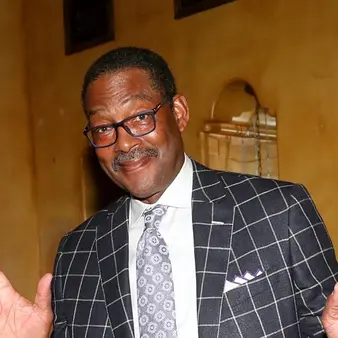
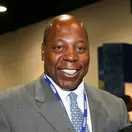
Photo by Leon Bennett/Getty Images
Milwaukee Bucks: A 10% Ownership Stake
In September 2024, Bridgeman purchased a 10% stake in the Milwaukee Bucks. The deal was reported at an overall franchise valuation of $4 billion, but Bridgeman was offered a preferred limited-partner discount of approximately 15%, implying an effective valuation of $3.4 billion and a $340 million purchase price for 10%. It was estimated that he paid about $300 million. The precise final price was not publicly disclosed.
The investment completed an extraordinary financial journey. Bridgeman had arrived in Milwaukee in 1975 as part of the blockbuster trade that sent Kareem Abdul-Jabbar to the Los Angeles Lakers. Nearly half a century later, he returned as one of his former team's principal minority investors. Bucks co-owner Jimmy Haslam explained that the stake had been assembled from shares previously held by smaller investors.
Bridgeman hoped to mentor younger players about investing and managing their money after basketball. Following his death, his daughter Eden Bridgeman Sklenar said in July 2025 that the family had no plans to sell its Bucks interest and remained committed to the franchise. The ownership investment thus continued as part of the family's business holdings.
Ebony and Jet: $14 Million Acquisition
In December 2020, Bridgeman Sports and Media purchased the historic Black American publications "Ebony" and "Jet" out of bankruptcy for $14 million. Founded by John H. Johnson, the titles had chronicled Black American culture, politics, entertainment, and achievement for generations, but their previous owners had struggled with debt and the decline of print advertising.
Bridgeman's daughter, Eden Bridgeman Sklenar, took a leading role in rebuilding the business and became CEO of Ebony Media Group in 2022. The acquisition added publishing and digital media to the family's portfolio, with Eden overseeing the business separately from her brothers' restaurant and beverage operations.
Valhalla Golf Club and Real Estate Investments
Bridgeman was also one of four Louisville businessmen who bought Valhalla Golf Club from the PGA of America in June 2022. The group, which included David Novak, Jimmy Kirchdorfer, and Chester Musselman, acquired the championship course for a reported $23.5 million. Bridgeman held an interest described as 25% of the club. Valhalla, designed by Jack Nicklaus, had hosted major golf championships and hosted the PGA Championship again in 2024.
Real estate was also a component of his restaurant fortune. The estimated $100 million value attached to the family's remaining Wendy's and Fazoli's interests included underlying properties, not merely the franchise operating businesses.

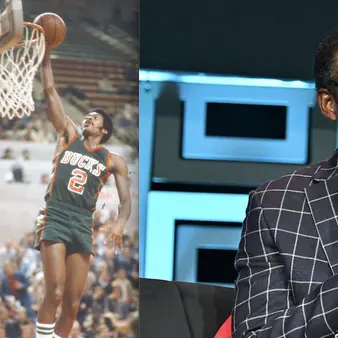
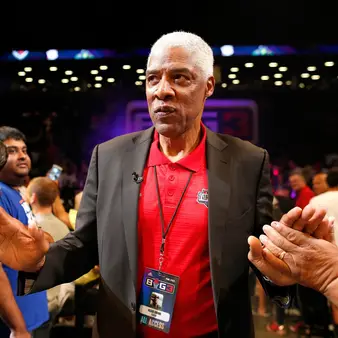
Julius Erving (left) and Junior Bridgeman (right) via Getty
Early Life
Ulysses Lee "Junior" Bridgeman was born on September 17, 1953, in East Chicago, Indiana. His father worked in a steel mill and took additional jobs cleaning bars and washing windows; Bridgeman and his brother often helped before school. He attended Washington High School in East Chicago and helped lead its basketball team to the Indiana state championship in 1971.
He earned a scholarship to the University of Louisville, where he played under coach Denny Crum and helped the Cardinals reach the 1975 Final Four. Bridgeman became a two-time Missouri Valley Conference Player of the Year and earned a degree from the university. The Lakers selected him eighth overall in the 1975 NBA Draft, then traded him to the Bucks in the deal involving Abdul-Jabbar.
NBA Career
Bridgeman played 12 NBA seasons, spending ten with Milwaukee and two with the Los Angeles Clippers. An effective scorer off the bench, he averaged 13.6 points per game and scored 11,517 career points over 849 regular-season appearances. He produced nine consecutive seasons with double-digit scoring averages and became an important sixth man for Bucks teams coached by Don Nelson.
He played 711 games for Milwaukee, a franchise record that stood for decades before being surpassed by Giannis Antetokounmpo and Khris Middleton. His No. 2 jersey was retired in 1988. From 1985 to 1988, Bridgeman served as president of the National Basketball Players Association, participating in labor negotiations before retiring from the NBA in 1987.
Family, Business Succession, and Death
Bridgeman and his wife, Doris, met during his college years and remained married for nearly five decades. Their three children became central figures in the family businesses: Ryan led the Manna restaurant group, Justin worked at Heartland Coca-Cola, and Eden oversaw Ebony Media. In April 2025, Heartland named Justin Bridgeman CEO, succeeding his father. The family also maintained its minority ownership position in the Bucks.
Bridgeman was active in philanthropy in Louisville, supporting educational programs, youth organizations, and charitable events. His family's annual Kentucky Derby-related galas raised money for organizations including the V Foundation, the West End School, and local charities. He also served on boards connected with the University of Louisville and Churchill Downs.
On March 11, 2025, Bridgeman suffered a medical emergency while speaking at a Scouting America fundraising luncheon at the Galt House hotel in Louisville. He was taken for emergency medical care and died at the age of 71. A memorial service at Southeast Christian Church drew more than 1,200 attendees, with thousands more watching online.