
When they weren't busy stuffing their genitals into tube socks, firing and re-hiring each other, battling crippling addictions, and cycling through rehab, somehow the Red Hot Chili Peppers managed to transform from chaotic Sunset Strip punks into one of the most commercially successful rock bands of all time.
Unlike most bands that survive four decades, the Chili Peppers are not a nostalgia act coasting on past hits. They are still recording, still touring, and still commanding massive global audiences. That alone would be impressive. It becomes almost unbelievable when you consider everything they've endured along the way. Death, addiction, breakups, reunions, creative reinventions. Most bands wouldn't survive one of those. The Peppers survived all of them.
And while they were doing it, they quietly built a financial empire worth hundreds of millions of dollars.
With renewed attention from a 2026 documentary examining their early years and the loss of founding guitarist Hillel Slovak, the band's long, strange journey is once again in focus. The Red Hot Chili Peppers are nothing if not survivors. This is their story.
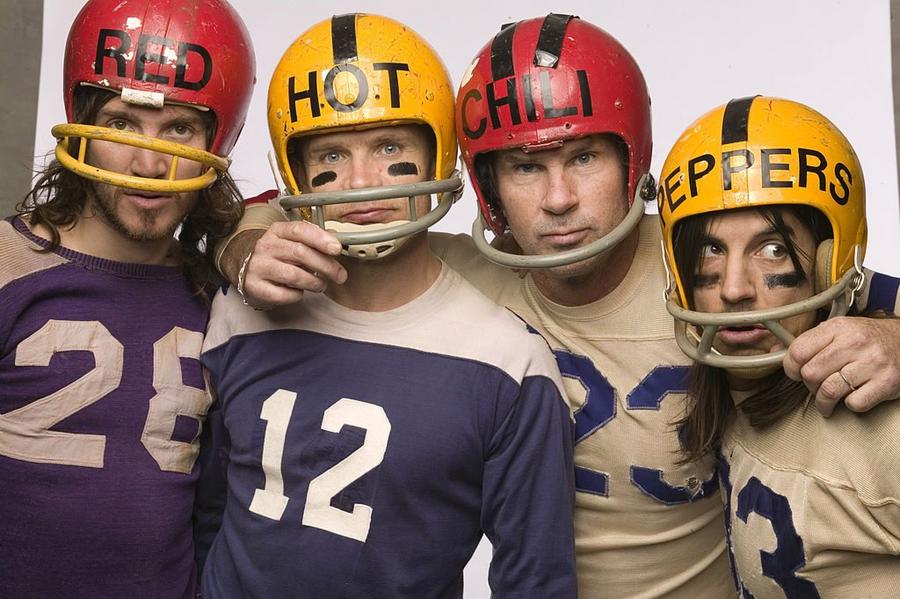
Red Hot Chili Peppers / MTV/Getty Images
The Majestic Masters of Mayhem
The Peppers formed in 1983 when four friends from Los Angeles' Fairfax High School decided to start a band. Anthony Kiedis, Flea, Hillel Slovak, and Jack Irons played their first show for roughly 30 people under the absurdly perfect name "Tony Flow and the Majestic Masters of Mayhem." During an improvised funk-punk jam, Kiedis recited his poem "Out in L.A." The crowd loved it. The club asked them back. A band was born.
Chaos followed almost immediately.
Slovak and Irons left early on to pursue another project, only to eventually return. Replacement members came and went. Guitarists were hired and fired within months. Meanwhile, Kiedis and Slovak were sinking deeper into heroin addiction.
Still, something about the band worked. Their live shows were explosive, unpredictable, and often borderline dangerous. As Kiedis once put it, if you walked off stage bleeding, you knew you had done your job.
Then came the first real breaking point.
On June 25, 1988, Hillel Slovak died of a heroin overdose. Irons quit the band shortly after, devastated. Kiedis left Los Angeles entirely. For a moment, it seemed like the Red Hot Chili Peppers were finished.
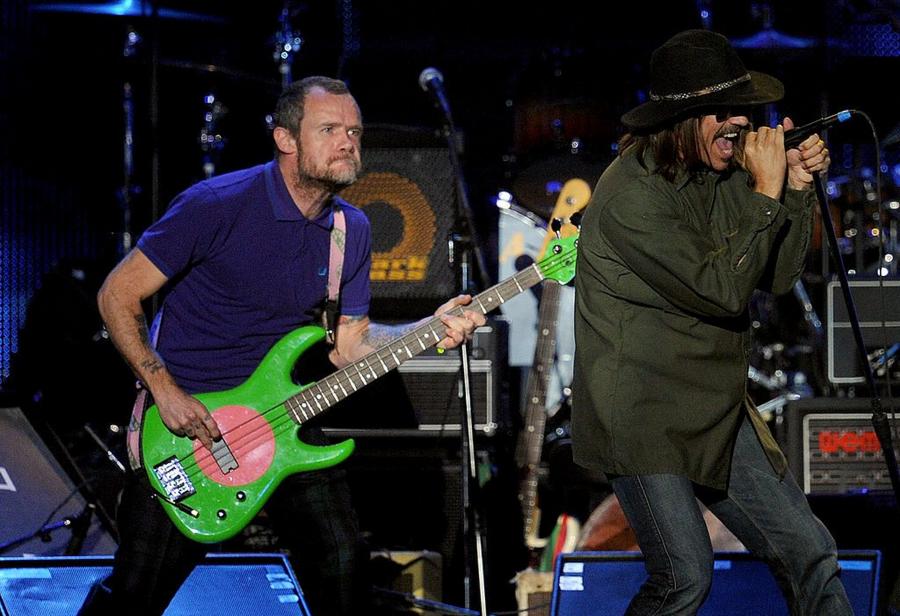
Young Flea and Kiedis /Kevin Winter/Getty Images
The Frusciante Era And A Breakthrough Explosion
Instead of ending, the band reinvented itself.
Kiedis and Flea found a teenage guitarist named John Frusciante, a prodigy who brought both technical skill and a deep understanding of their sound. With drummer Chad Smith joining soon after, the classic lineup was in place.
Producer Rick Rubin, who had previously passed on working with them, finally came on board. He moved the band into a mansion once owned by Harry Houdini and set up a recording studio inside.
The result was 1991's "Blood Sugar Sex Magik."
It was the album that changed everything. Featuring hits like "Give It Away" and "Under the Bridge," it sold more than 13 million copies worldwide and turned the Chili Peppers into global stars.
And then, just as quickly, everything unraveled again.
Overwhelmed by fame, Frusciante quit the band in 1992. His departure triggered another unstable period, culminating in the Dave Navarro era and the darker, less cohesive album "One Hot Minute." By the late 1990s, the band was once again on the verge of collapse.
Frusciante, meanwhile, was in rough shape, struggling with severe addiction and largely cut off from his former bandmates.
Flea made a simple argument: the band could not continue without him.
Frusciante entered rehab, got clean, and rejoined.
What followed was the most successful run of the band's career.
Californication, Global Dominance, And Stadium Millions
With Frusciante back, the Chili Peppers hit a creative and commercial peak that few bands ever reach.
1999's "Californication" sold more than 15 million copies and produced multiple number-one hits, including "Scar Tissue," "Otherside," and the title track. The band shifted toward a more melodic, polished sound without losing their identity.
They followed it with "By the Way" in 2002 and then the massive double album "Stadium Arcadium" in 2006, which debuted at number one and further cemented their place as one of the biggest rock bands in the world.
The touring numbers were just as staggering.
By the early 2000s, the band was selling out stadiums globally. A three-night run in London's Hyde Park alone drew more than 250,000 fans and generated tens of millions of dollars in ticket revenue.
At this point, the Red Hot Chili Peppers were no longer just a band. They were a global business.
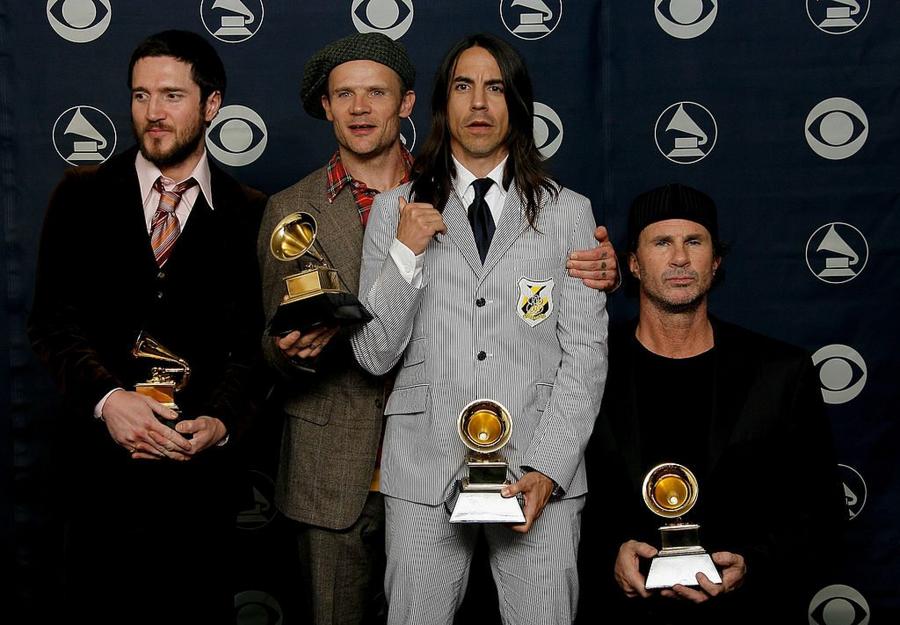
Red Hot Chilli Peppers / Vince Bucci/Getty Images
The Modern Era: Turning Music Into A Financial Empire
If the story ended there, it would already be remarkable. But the band's financial evolution over the last decade may be even more impressive than their musical one.
After another Frusciante departure in 2009 and a decade with guitarist Josh Klinghoffer, the band made a pivotal move in 2019: they brought Frusciante back for a third time.
The reunion sparked a new surge of momentum.
In 2022, the band released two albums, "Unlimited Love" and "Return of the Dream Canteen," and launched a global stadium tour that became the highest-grossing tour of their career, bringing in well over $350 million.
Behind the scenes, they were making even bigger moves.
In 2021, the Chili Peppers sold their publishing catalog for approximately $140 million. This deal covered decades of hits and ensured a massive upfront payday while their music continues to generate royalties.
Then came an even larger play.
In late 2025, the band was reportedly looking to sell its recorded music masters for $350 million. That deal has not been officially consummated yet.
Combined with touring revenue, licensing, and decades of catalog earnings, the Chili Peppers' total music-related asset value now approaches half a billion dollars.
Individually, the members have also built substantial personal fortunes, with Anthony Kiedis and Flea each sitting comfortably in the nine-figure range.
Not bad for a band that once played to 30 people on the Sunset Strip.
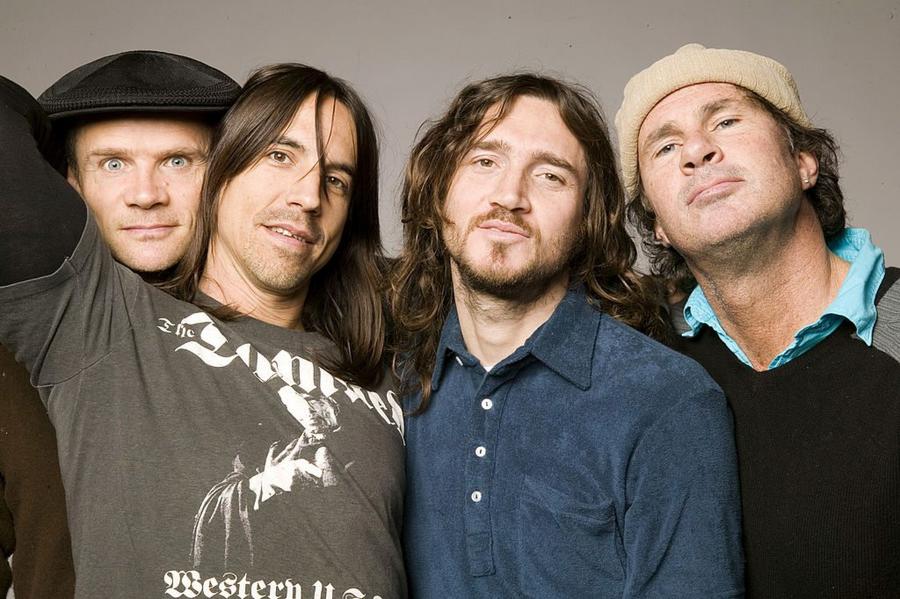
Red Hot Chilli Peppers / Handout Photo by MTV/Getty Images
Still Standing, Still Evolving
More than 40 years after their formation, the Red Hot Chili Peppers remain active, relevant, and creatively engaged.
After everything, the breakups, the deaths, the addictions, the fame, the money, the Chili Peppers are still chasing the same thing they were chasing in 1983: a groove.
Always evolving. Always surviving. And somehow, still one of the biggest rock bands on the planet.
/2011/04/John-Frusciante.jpg)
/2020/01/anthony.jpg)
/2014/01/Josh-Klinghoffer.jpg)
/2009/11/Flea.jpg)
/2020/10/Dave-Navarro.jpg)
/2017/09/GettyImages-803515718.jpg)
/2020/02/Angelina-Jolie.png)
/2017/02/GettyImages-528215436.jpg)
/2009/09/Jennifer-Aniston.jpg)
/2018/03/GettyImages-821622848.jpg)
/2020/06/taylor.png)
/2019/11/GettyImages-1094653148.jpg)
/2019/04/rr.jpg)
:strip_exif()/2009/09/P-Diddy.jpg)
/2009/09/Brad-Pitt.jpg)
/2009/09/Cristiano-Ronaldo.jpg)
:strip_exif()/2015/09/GettyImages-476575299.jpg)
/2020/04/Megan-Fox.jpg)
/2019/10/denzel-washington-1.jpg)
/2009/11/George-Clooney.jpg)
/2020/01/lopez3.jpg)