
Beyoncé did not become a billionaire by accident. She earned it the hard way. Long before surprise album drops rewrote release strategies, before world tours grossed hundreds of millions, and long before her name became synonymous with cultural dominance, Beyoncé Knowles was a gifted kid from Houston whose career nearly stalled before it ever began.
Her story is often told as a tale of inevitability. Destiny. Royalty. A straight line to the top. The reality is far messier. Failed auditions. Lost record deals. Public blame for group turmoil. Family strain. Lawsuits. Reinvention. Then reinvention again. What ultimately separates Beyoncé from nearly every peer is not just talent or timing, but an unmatched capacity to absorb setbacks, adapt, and slowly convert creative success into real ownership.
That long arc now ends at a rare destination. Beyoncé has crossed the billionaire threshold on her own balance sheet. Not by inheritance. Not by marriage. But by stacking decades of touring revenue, music ownership, film work, fashion, endorsements, and most recently, a spirits brand that scaled into a genuine enterprise. The surprise album she dropped in December 2013 is now just one checkpoint on a much longer financial and artistic journey.
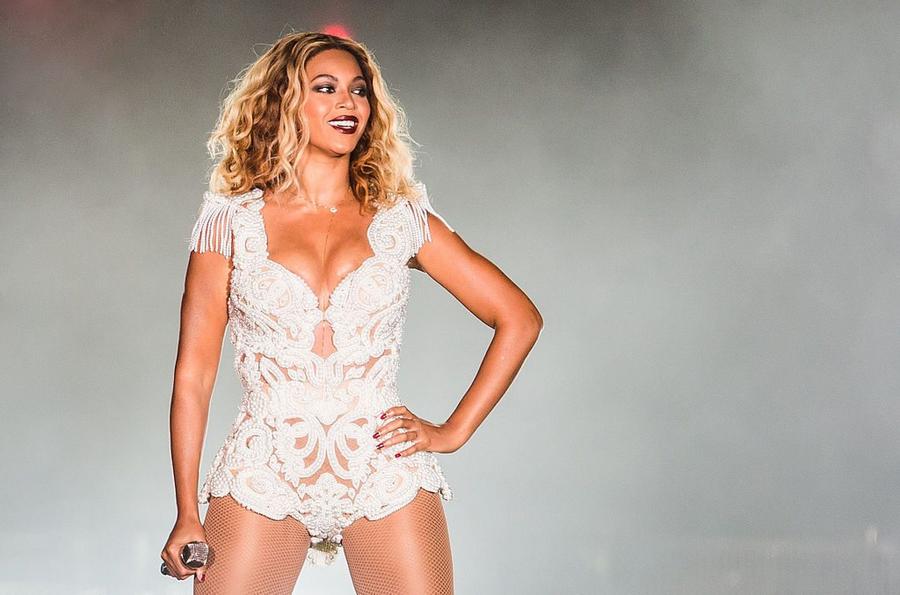
Beyonce NetWorth / Buda Mendes/Getty Images
Early Life and Early Resolve
Beyoncé Knowles was born on September 4, 1981, in Houston, Texas. From an early age, she demonstrated unusual focus. She began taking dance lessons as a child and quickly revealed a powerful singing voice. At seven, she won a local talent competition against performers twice her age. By nine, she had already decided music would be her career.
She enrolled at Parker Elementary School, a music magnet program, and later attended Houston's High School for the Performing and Visual Arts. Outside of school, she sang as a soloist in the St. John's Methodist Church choir. The through-line during these years was discipline. Beyoncé did not drift into entertainment. She trained for it.
Girl's Tyme, Star Search, and Early Failure
At eight years old, Beyoncé auditioned for a pre-teen girl group alongside her close friend Kelly Rowland. The group, Girl's Tyme, performed throughout Houston and eventually landed a spot on "Star Search." They lost.
That loss mattered. It was public, deflating, and formative. Recognizing both the group's talent and its lack of direction, Beyoncé's father left his job to manage them full time. The decision came with consequences. The family's income collapsed. They sold their house and split into two apartments. Members were cut. The group was renamed Destiny's Child and spent years opening for established acts.
They signed with Elektra Records. The deal fell apart. They were dropped. The stress fractured Beyoncé's parents' marriage. For a time, the entire project seemed doomed.
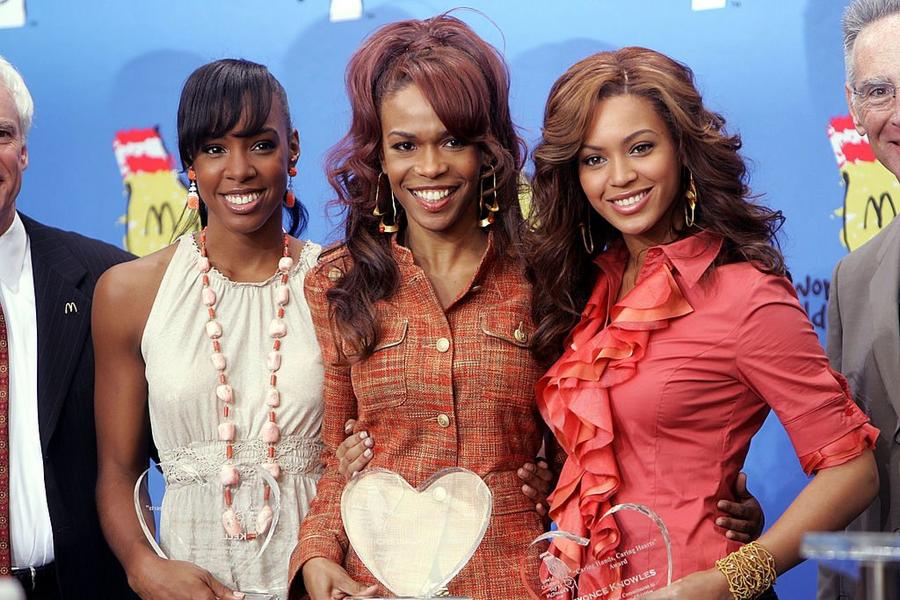
Young Destiny's Child /Kevin Winter/Getty Images
Destiny's Child Breakthrough and Public Backlash
In the mid-1990s, Destiny's Child finally stabilized after signing with Columbia Records. Their debut album produced the hit "No, No, No" and multiple Soul Train Awards. Their second album, "The Writing's on the Wall," turned them into global stars with songs like "Bills, Bills, Bills," "Jumpin' Jumpin'," and "Say My Name."
Success triggered chaos. Two members were replaced amid management disputes. Public backlash followed, and Beyoncé became the focal point of fan anger. Despite Grammy wins and chart dominance, she spiraled privately, withdrawing and struggling with the emotional toll of being blamed for decisions she did not fully control.
By 2000, Destiny's Child had narrowed to its final lineup: Beyoncé, Kelly Rowland, and Michelle Williams. The group rebounded with "Independent Women Part 1" and then "Survivor," an album that debuted at No. 1 and produced multiple hits. Lawsuits followed from former members. The group pressed on.
Solo Ambitions and Proving Herself Alone
While Destiny's Child dominated radio, Beyoncé quietly laid the groundwork for independence. She starred in "Carmen: A Hip Hopera," then appeared in films like "Austin Powers in Goldmember" and "The Fighting Temptations." Critics questioned whether she was positioning herself above the group.
In 2003, she answered decisively with her debut solo album, "Dangerously in Love." It debuted at No. 1, sold more than 11 million copies worldwide, and won five Grammy Awards. Beyoncé had crossed the most difficult threshold in pop music: proving she could stand alone.
After one final Destiny's Child album, "Destiny Fulfilled," the group officially disbanded in 2005.
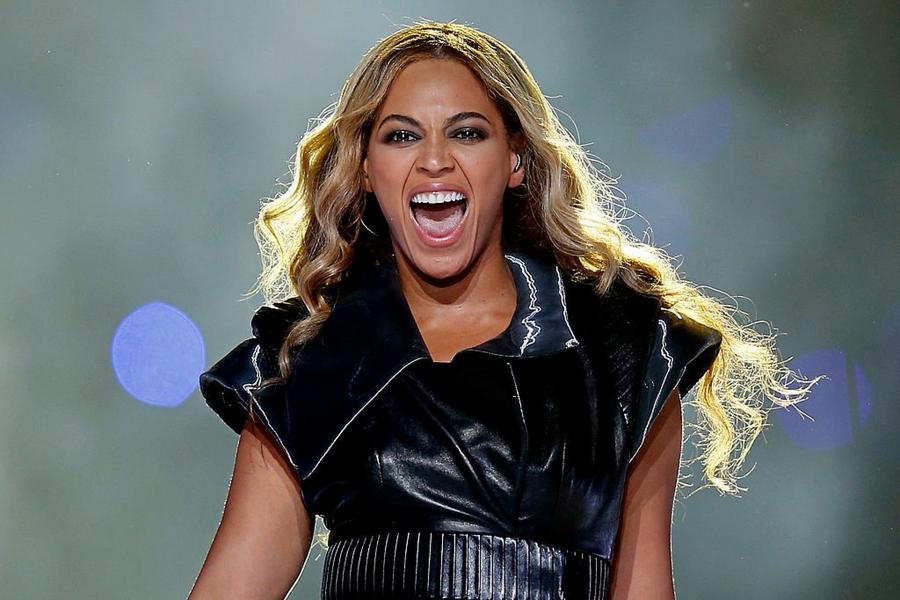
Beyonce /Chris Graythen/Getty Images
Control, Ownership, and the Shift From Star to CEO
The years that followed transformed Beyoncé from a hitmaker into a business force. Album after album debuted at No. 1. Tours became larger, longer, and more lucrative. She built an empire of endorsements with Pepsi, L'Oréal, Tommy Hilfiger, Emporio Armani, and American Express.
More importantly, she began insisting on ownership and control. Her 2013 self-titled album, released without warning, changed the music industry's release model overnight. It sold a million copies in under a week with virtually no traditional marketing. Artists took notice. Executives adjusted.
Parallel to her music, Beyoncé expanded into fashion, fragrance, film production, and eventually spirits. Her brand evolved from endorsement-based income to equity-driven wealth.
The Billionaire Milestone
Today, Beyoncé is a billionaire. The figure reflects decades of touring revenue, music catalogs, visual projects, endorsements, fashion ventures, and the explosive growth of her premium spirits brand. While she did marry into wealth through her relationship with Jay-Z, her fortune stands independently and would qualify on its own.
This distinction matters. Beyoncé did not simply monetize fame. She converted cultural power into long-term assets. The surprise album drop of 2013 was not a stunt. It was a signal that she no longer needed permission, marketing calendars, or industry validation.
A Career Defined by Endurance
Beyoncé's story is not about effortless dominance. It is about surviving enough setbacks to learn where power actually lives. Failed deals. Public humiliation. Lawsuits. Reinvention. Then patience.
The child who lost on "Star Search" now owns her narrative, her output, and her wealth. The teenager blamed for Destiny's Child turmoil became the adult who redefined how music is released and valued. The artist once fighting for a record deal now controls her own empire.
Perseverance is an overused word. In Beyoncé's case, it is simply accurate.
/2017/02/GettyImages-528215436.jpg)
/2009/12/Kelly-Rowland.jpg)
/2011/10/Michelle-Williams.jpg)
/2010/03/Letoya-Luckett.jpg)
/2025/01/GettyImages-1580039832.jpg)
/2024/11/farrah-franklin.jpg)
/2017/02/GettyImages-528215436.jpg)
/2009/09/Jennifer-Aniston.jpg)
/2019/10/denzel-washington-1.jpg)
/2020/02/Angelina-Jolie.png)
:strip_exif()/2009/09/P-Diddy.jpg)
/2018/03/GettyImages-821622848.jpg)
:strip_exif()/2015/09/GettyImages-476575299.jpg)
/2020/04/Megan-Fox.jpg)
/2009/09/Brad-Pitt.jpg)
/2019/11/GettyImages-1094653148.jpg)
/2020/01/lopez3.jpg)
/2019/04/rr.jpg)
/2009/09/Cristiano-Ronaldo.jpg)
/2020/06/taylor.png)
/2009/11/George-Clooney.jpg)