
/2014/06/chris-rea.jpg)
/2015/10/Bonnie-Tyler.jpg)
/2019/08/Charlie-Burchill-1.jpg)
/2017/08/David-Gray.jpg)
/2014/07/johnny-winter.png)
/2009/11/Chris-de-Burgh-1.jpg)
/2020/06/taylor.png)
/2009/09/Jennifer-Aniston.jpg)
/2018/03/GettyImages-821622848.jpg)
/2020/01/lopez3.jpg)
/2019/11/GettyImages-1094653148.jpg)
/2019/04/rr.jpg)
:strip_exif()/2009/09/P-Diddy.jpg)
/2009/11/George-Clooney.jpg)
/2020/04/Megan-Fox.jpg)
/2017/02/GettyImages-528215436.jpg)
:strip_exif()/2015/09/GettyImages-476575299.jpg)
What was Chris Rea's Net Worth?
Chris Rea was an English singer-songwriter who had a net worth of $8 million. Known for his husky voice, expressive slide guitar work, and deep affinity for blues-inflected rock, Rea built one of the most durable recording careers in British music. Active from the 1970s onward, he specialized in pop rock, soft rock, and blues rock, and was proficient in vocals, guitar, and piano. Rea became one of the most commercially successful British singer-songwriters of the 1980s, particularly across Europe, where his albums regularly reached multi-Platinum status.
Over a career spanning more than four decades, Rea released 25 studio albums and sold tens of millions of records worldwide. His best-known songs include "Fool (If You Think It's Over)" and the perennial holiday staple "Driving Home for Christmas," which became a cultural fixture in the U.K. and across Europe decades after its original release. His most successful albums included the 6x Platinum "The Road to Hell" (1989), the 2x Platinum "Auberge" (1991), and the Platinum-certified "On the Beach" (1986), "Dancing with Strangers" (1987), and "God's Great Banana Skin" (1992).
Rea died in December 2025 at the age of 74 following a short illness, leaving behind a body of work that remained commercially relevant and culturally resonant long after his peak chart years.
Early Life
Chris Rea was born Christopher Anton Rea on March 4, 1951, in Middlesbrough, North Riding of Yorkshire, England. He was the son of an Irish mother, Winifred, and an Italian father, Camillo, and he grew up in a Roman Catholic household with six siblings. Camillo owned the ice cream chain Rea's Creamy Ices, and Chris began working there at the age of 12.
Rea attended St Mary's College in Middlesbrough and did not begin playing guitar until his early twenties, purchasing a 1961 Hofner V3 and teaching himself to play. His musical influences included Charlie Patton, Sister Rosetta Tharpe, Blind Willie Johnson, Ry Cooder, Muddy Waters, Sonny Boy Williamson II, and Joe Walsh, shaping a blues-forward style that would later distinguish him from many of his pop-rock contemporaries.
Early Career and Breakthrough
Rea joined the band Magdalene in 1973 and later formed The Beautiful Losers. After signing a solo deal with Magnet Records, he released his debut album, "Whatever Happened to Benny Santini?," in April 1978. The album reached #49 on the Billboard 200 and was certified Gold in the U.S. Its lead single, "Fool (If You Think It's Over)," topped the Billboard Easy Listening chart, reached #12 on the Billboard Hot 100, and earned Rea a Grammy nomination for Best New Artist.
He followed the debut with "Deltics" (1979), "Tennis" (1980), "Chris Rea" (1981), "Water Sign" (1983), and "Wired to the Moon" (1984), gradually building a loyal European audience even as U.S. mainstream success proved elusive.
European Stardom and Commercial Peak
Rea's breakthrough as a major European star came with 1985's "Shamrock Diaries," which reached the top 10 in multiple countries and produced the hit single "Josephine." The follow-up album, "On the Beach" (1986), became a defining release of his career, reaching #1 in the Netherlands and earning Platinum or Gold certifications across Europe.
Success continued with "Dancing with Strangers" (1987), which reached #2 on the UK Albums chart and produced the international hit "Let's Dance." Rea's commercial apex arrived with "The Road to Hell" (1989), a socially reflective album that went 6x Platinum in the U.K. and topped the UK Albums chart. Its success established him as one of Britain's most reliable album artists of the era.
Getty Images
1990s Output and Continued Success
Throughout the 1990s, Rea maintained consistent chart performance with albums including "Auberge" (1991), "God's Great Banana Skin" (1992), "Espresso Logic" (1993), "The Blue Cafe" (1998), and "The Road to Hell: Part 2" (1999). "Auberge" reached #1 in both the U.K. and Germany and was certified 2x Platinum in the U.K.
With the exception of "The Road to Hell: Part 2," all of his studio albums during the decade reached the top 10 in at least one country and were certified Silver or higher in the U.K., underscoring the durability of his fan base even as musical trends shifted.
Later Career and Blues Revival
In the 2000s and 2010s, Rea leaned more heavily into blues-oriented projects. Albums such as "Dancing Down the Stony Road" (2002), "The Blue Jukebox" (2004), and the ambitious box set "Blue Guitars" (2005) reflected his deepening commitment to the genre. His later releases included "Santo Spirito Blues" (2011), which charted across Europe, "Road Songs for Lovers" (2017), and "One Fine Day" (2019), his final studio album.
"Driving Home for Christmas" and Cultural Legacy
Although originally written in the 1970s and released in the mid-1980s, "Driving Home for Christmas" became one of the most enduring holiday songs in British popular culture. The track re-entered charts repeatedly decades after its release and became a seasonal staple, frequently cited as one of the most beloved modern Christmas songs in the U.K.
Its longevity introduced Rea to new generations of listeners and ensured his continued cultural presence long after his commercial peak.

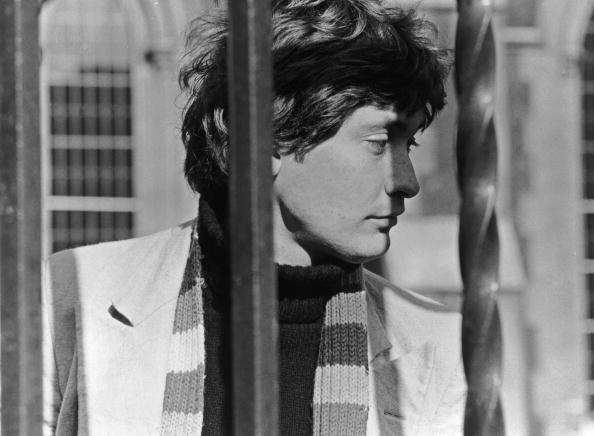
(Photo by David Wolff – Patrick/Redferns)
Personal Life
Rea married his longtime partner Joan Lesley, whom he met in 1968. They had two daughters, Josephine and Julia. He owned Sol Mill Recording Studios in Cookham, Berkshire, and was an avid historic motor racing enthusiast, competing in classic Ferraris and Lotuses.
Diagnosed with pancreatic cancer in 1994, Rea underwent extensive surgery that included removal of his pancreas, gallbladder, and part of his liver, later being diagnosed with type 1 diabetes. Despite significant health challenges, he continued recording and performing for decades afterward.
Awards and Recognition
Rea received a Grammy nomination for Best New Artist in 1979 and earned multiple Brit Award nominations for Best British Male Artist in the late 1980s. While he never won major U.K. industry prizes, his commercial success, longevity, and influence placed him among the most quietly successful British recording artists of his generation.
/2014/06/chris-rea.jpg)
/2009/11/Chris-de-Burgh-1.jpg)
/2018/11/Chris-Norman.jpg)
/2015/10/Bonnie-Tyler.jpg)
/2017/08/David-Gray.jpg)
/2019/08/Charlie-Burchill-1.jpg)
/2010/06/Rufus-Wainwright.jpg)
/2021/08/Billy-Ocean.jpg)
/2009/09/Cristiano-Ronaldo.jpg)
/2020/02/Angelina-Jolie.png)
/2019/10/denzel-washington-1.jpg)