
In the mid-2000s, Chamillionaire, much like a real chameleon, fit in just about everywhere. His breakout single "Ridin'," featuring Krayzie Bone, topped the Billboard Hot 100 and won a Grammy, cementing his place in hip-hop history. With his smooth delivery, sharp branding, and crossover appeal, he looked like the next major artist to build a lasting chart-topping empire.
But as the spotlight faded, Chamillionaire quietly pivoted toward something far less flashy and ultimately far more lucrative.
While many artists scrambled to keep up with the evolving music industry, Chamillionaire embraced reinvention. Long before it became trendy for celebrities to invest in startups, he began placing calculated bets on early-stage tech companies. That pivot would eventually produce returns that likely rivaled, and in some cases exceeded, anything he earned from music.
Over the past decade, Chamillionaire has built a second career as a venture capitalist, advisor, and founder. He has backed companies that were later acquired for billions, embedded himself inside a major VC firm, and even launched his own tech startup. It is a remarkable evolution for an artist once best known for a viral hit about avoiding the police. Chamillionaire did not just ride the wave of success. He learned how to build new ones.
Early Life and Musical Breakthrough
Chamillionaire was born Hakeem Seriki on November 28, 1979, in Houston, Texas. From the outset, he approached his music career with hustle and business instincts.
Alongside Paul Wall, he convinced Houston DJ Michael "5000" Watts to let them freestyle on his show. That moment led to their inclusion on a mixtape, giving the duo early exposure and helping them build a grassroots following.
They formed The Color Changin' Click and released the independent album "Get Ya Mind Correct" in 2002. The project sold over 150,000 copies, an impressive number for a regional act without major label backing.
In 2005, Chamillionaire released his debut solo album, "The Sound of Revenge." It debuted at number 10 on the Billboard 200 and featured "Ridin'," which became a cultural phenomenon. The song earned a Grammy Award and was later parodied by "Weird Al" Yankovic in "White & Nerdy," expanding its reach into mainstream pop culture.
His second album, "Ultimate Victory," arrived in 2007 and notably contained no profanity, an unusual choice in mainstream rap. While it did not match the commercial success of his debut, it reinforced his willingness to take unconventional approaches.
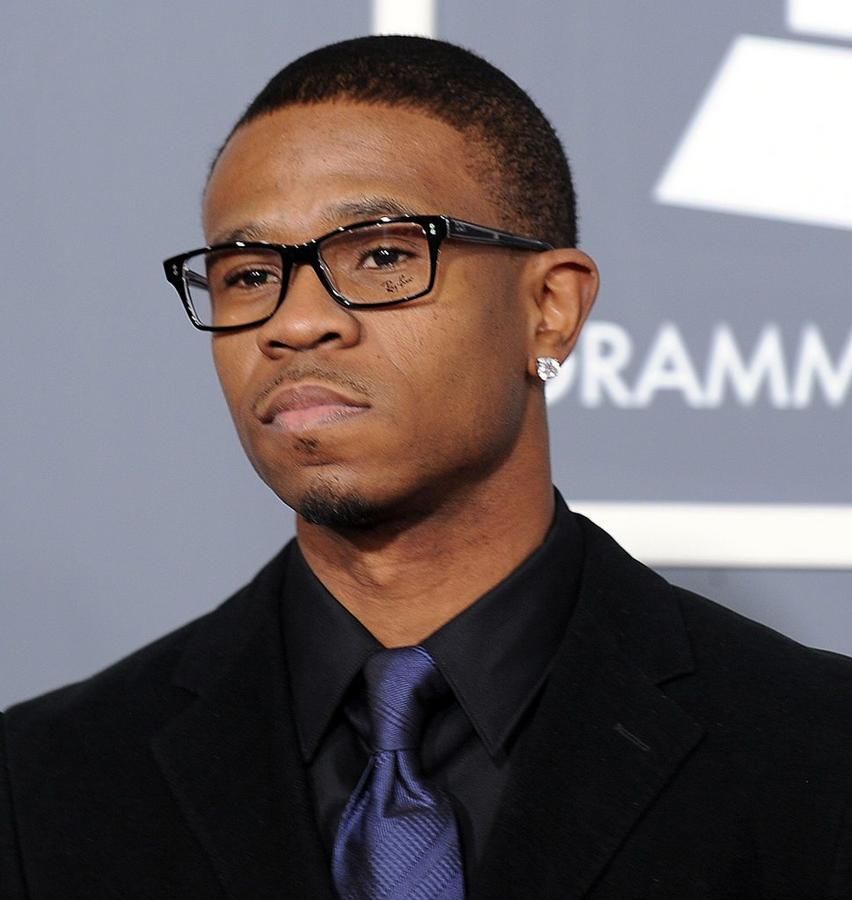
ROBYN BECK/AFP/Getty Images
Early Business Moves
Even during his rise in music, Chamillionaire showed signs of being more than just an artist.
In 2003, he invested in Fly Rydes, a Houston-based auto customization shop, tapping into the region's thriving car culture. He also launched Chamillitary Entertainment in 2004, releasing over 20 projects and maintaining a degree of independence during a period when the music industry was undergoing massive digital disruption.
His ventures extended beyond music. He experimented with a modeling company and even launched a luxury tour bus business equipped with high-end amenities like WiFi, surround sound, and full showers.
These early moves hinted at something important: Chamillionaire was not just chasing fame, he was learning how to allocate capital.
The $1.5 Million Bet That Changed Everything
Chamillionaire's most important financial move came in the early 2010s.
After connecting with venture capitalist Mark Suster, he began immersing himself in the startup ecosystem, attending events in Los Angeles and Silicon Valley and studying how deals were structured. In 2010, he made a significant early-stage investment, reportedly around $1.5 million, in a then-emerging digital media company called Maker Studios.
At the time, Maker was building a network of YouTube creators, an idea that many traditional media players did not yet fully understand.
Four years later, The Walt Disney Company acquired Maker Studios for an initial $500 million, with performance-based earn-outs pushing the total value to around $675 million.
Chamillionaire's stake reportedly turned into more than $20 million.
It was a textbook venture capital outcome: a high-risk early bet that produced a double-digit multiple in just a few years. More importantly, it proved that he was not just experimenting with tech investing. He understood it.
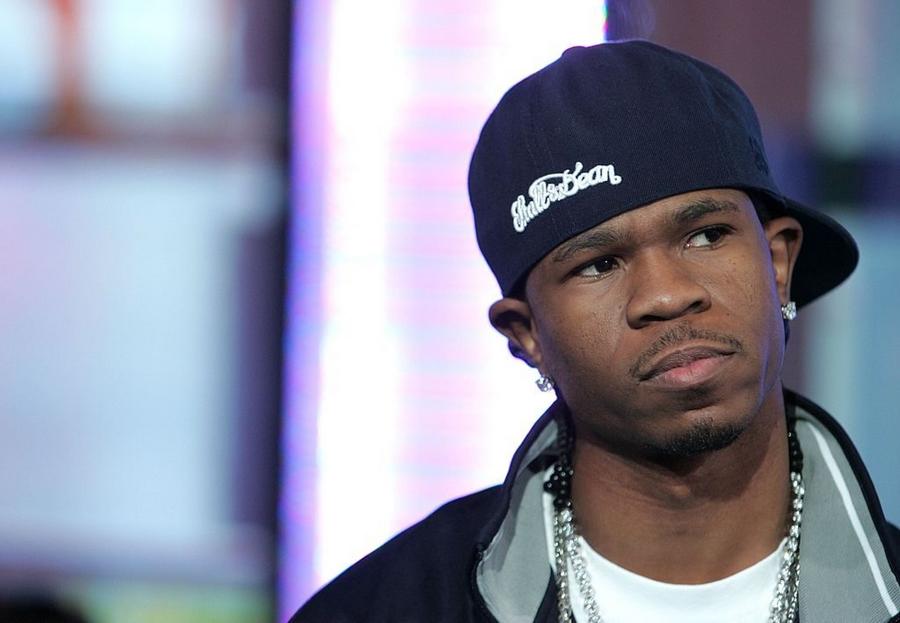
Peter Kramer/Getty Images
From Rapper to Venture Capital Insider
In 2015, Chamillionaire took an even bigger step, becoming entrepreneur-in-residence at Upfront Ventures.
It was the first time a rapper had ever held that role at a major VC firm.
The position gave him direct access to deal flow, founders, and investment strategy at a high level. He was no longer just writing checks. He was advising startups, helping shape branding and marketing strategies, and participating in how investments were evaluated.
That proximity dramatically accelerated his second career.
Betting on Billion-Dollar Outcomes
Through both Upfront Ventures and his personal investments, Chamillionaire began building a portfolio tied to major exits.
He invested in Ring, which was acquired by Amazon for over $1 billion in 2018.
He backed Cruise Automation, which was purchased by General Motors for a reported $1 billion.
He also invested early in Lyft and other high-growth startups.
Individually, any one of these deals would be notable. Taken together, they show a consistent pattern: Chamillionaire was positioning himself inside companies with billion-dollar exit potential.
Becoming a Founder
Chamillionaire did not stop at investing.
In 2017, he founded Convoz, a platform designed to encourage more authentic communication by prioritizing video interaction over anonymous text. The app was partly a response to the toxicity he observed on traditional social media platforms.
He raised seed funding for the company and used it as a platform for community engagement, including hosting pitch competitions and connecting founders with investors.
This move marked an important transition. He was no longer just backing companies. He was building one.
Access 12 and a New Investment Strategy
As his reputation in tech grew, Chamillionaire began expanding his influence beyond his own investments.
He launched Access 12, a private syndicate that pools capital from athletes, entertainers, and other high-profile figures to invest in startups, particularly those led by underrepresented founders.
The strategy is rooted in a simple observation. While Black Americans make up roughly 13% of the U.S. population, startups with Black founders have historically received less than 1% of venture capital funding. For Black women founders, that number is even smaller.
Chamillionaire has framed this not just as a social issue, but as a market inefficiency. By directing capital toward overlooked founders, he is attempting to unlock opportunities that traditional venture capital has ignored.
He has also funded pitch competitions, sometimes investing his own money, to help close that gap and bring new founders into the ecosystem.
Chamillionaire Today
Chamillionaire may no longer be in regular rotation on the radio, but his influence continues to grow in the business world. He remains active as an investor, advisor, and mentor, with a focus on consumer tech and emerging talent. His net worth is 50 chamillion dollars, the result of disciplined investing and entrepreneurial focus.
He once rapped, "I'm up earlier than a mother, chasing mine 'cause I'm a hustler." That line was not just a catchy lyric — it was a mission statement. Chamillionaire's transformation from chart-topping rapper to respected tech investor is one of the most successful and unlikely second acts in hip-hop history.
/2021/01/paul-wall.jpg)
/2020/02/GettyImages-102993487.jpg)
/2016/10/GettyImages-533132526.jpg)
/2012/04/Krayzie-Bone.png)
/2010/01/GettyImages-53164420.jpg)
/2009/11/ak.jpg)
/2020/06/taylor.png)
/2020/02/Angelina-Jolie.png)
/2018/03/GettyImages-821622848.jpg)
/2009/09/Brad-Pitt.jpg)
/2009/09/Cristiano-Ronaldo.jpg)
:strip_exif()/2009/09/P-Diddy.jpg)
/2009/09/Jennifer-Aniston.jpg)
/2017/02/GettyImages-528215436.jpg)
/2009/11/George-Clooney.jpg)
/2020/04/Megan-Fox.jpg)
:strip_exif()/2015/09/GettyImages-476575299.jpg)
/2019/11/GettyImages-1094653148.jpg)
/2019/10/denzel-washington-1.jpg)
/2020/01/lopez3.jpg)
/2019/04/rr.jpg)